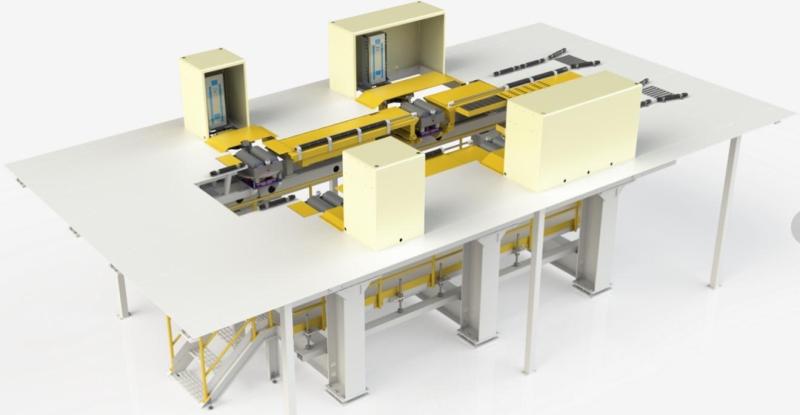
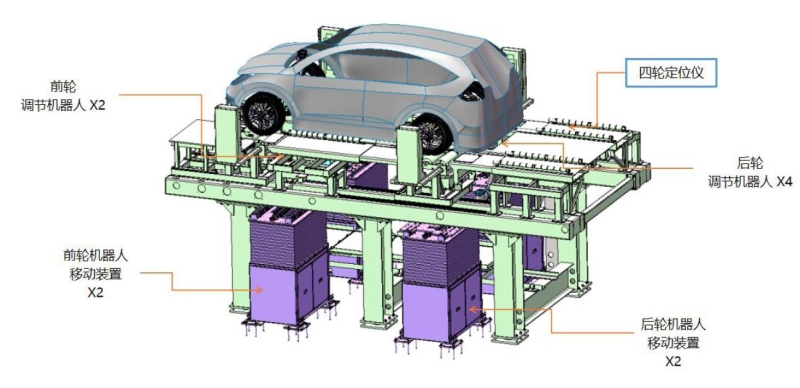
The four-wheel aligner is used to detect and adjust chassis parameters such as toe-in, camber, and steering angle of wheels, ensuring the consistency of the vehicle chassis state.
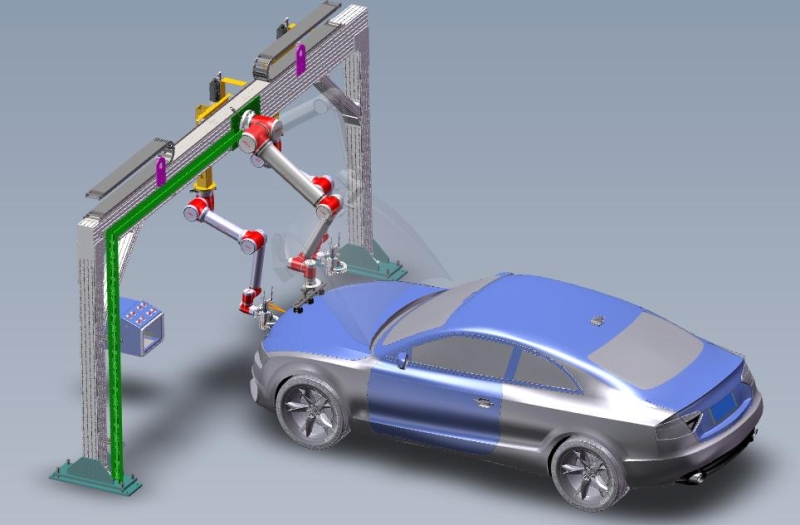
The four-wheel alignment toe-in automatic adjustment equipment is a special device used for the automatic adjustment of the front and rear wheel toe-in of vehicles. It uses a robot equipped with four sets of automatic torque wrenches to complete automatic adjustment and calibrate the wheel alignment measurement requirements, achieving a mode that replaces manual adjustment.
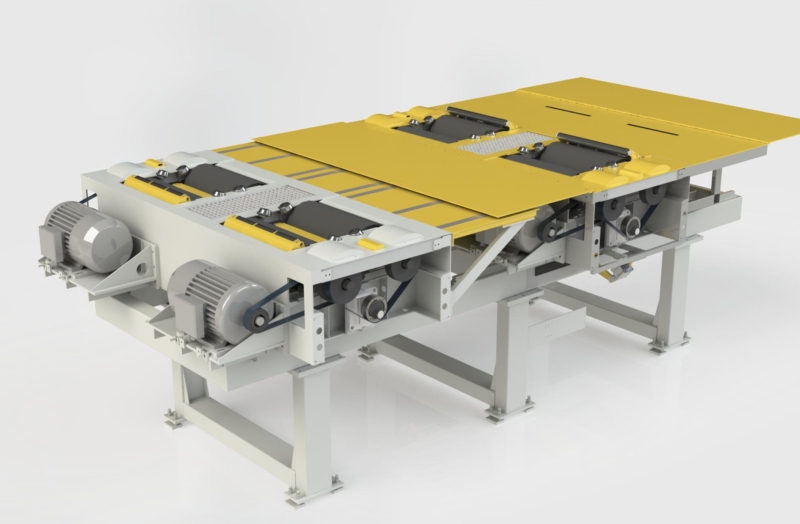
The comprehensive drum test bench is used for vehicle overall braking force, acceleration performance, vehicle overall testing, sound level testing, and speedometer testing.
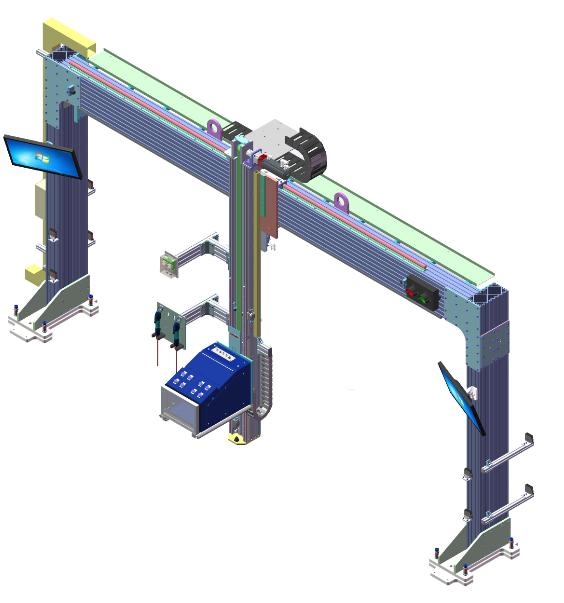
The headlight testing equipment is used to detect and adjust the irradiation position of headlights, and judge whether the headlight illumination intensity meets the national standard requirements. It is applicable to halogen headlights, xenon headlights and LED headlights (including LED matrix headlights).
The headlight axis automatic adjustment equipment is a special device for automatically adjusting the irradiation angle of vehicle headlights, which can accurately correct the light axis position to meet the national standard requirements, and realize automatic, efficient and standardized adjustment without manual intervention.
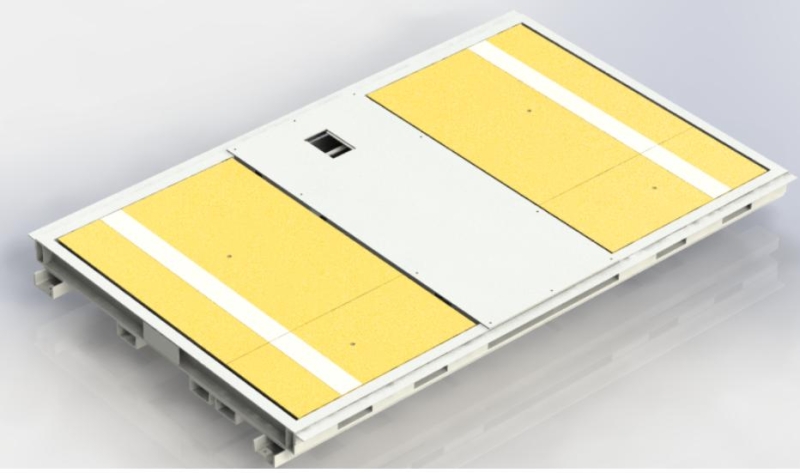
Due to the influence of wheel alignment, vehicles will have lateral rolling and slipping of tires during normal driving on the road, leading to oblique driving and tire wear. The side slip tester is a rapid detection device used to check whether the matching condition of wheel toe-in and camber is good.